Top of book
ConnectingBest bid
—
Spread
—
Best ask
—
Waiting for the first live quote…
25-29 38%
Next is 20-24 at 34.3%. Only Polymarket lists this market, so there is no second price to compare.
Fair chance strips out each venue’s built-in margin (its prices add up to more than 100%), then blends the venues by how much has traded there, so the outcomes add up to 100%. Best Yes price is the cheapest ask across venues, and the payout is what a winning $100 stake returns before fees. Open a row for each venue’s contract name, bid and ask, and how closely their rules match.
Prices come from our regular polls of each venue, the oldest 1 min ago. Ages are as of when this page was built.

The top 3 outcomes on both venues, with the consensus between them. Hover for exact values.
Each venue’s resting orders for the selected outcome’s Yes contract, side by side. Top of book streams live; depth refreshes every 15 seconds.
Waiting for the first live quote…
Enter a stake to see where it buys the most after fees, using each venue’s live order book.
Loading both order books…
Buys at the asks resting now (taker orders), cheapest after fees first, from order-book snapshots up to 15 seconds old. Fees: Kalshi 0.07 × price × (1 − price) per share, rounded up to the cent; Polymarket 0.05 × price × (1 − price) per share (other / general rate). Fee calculator. Estimates only, not advice.
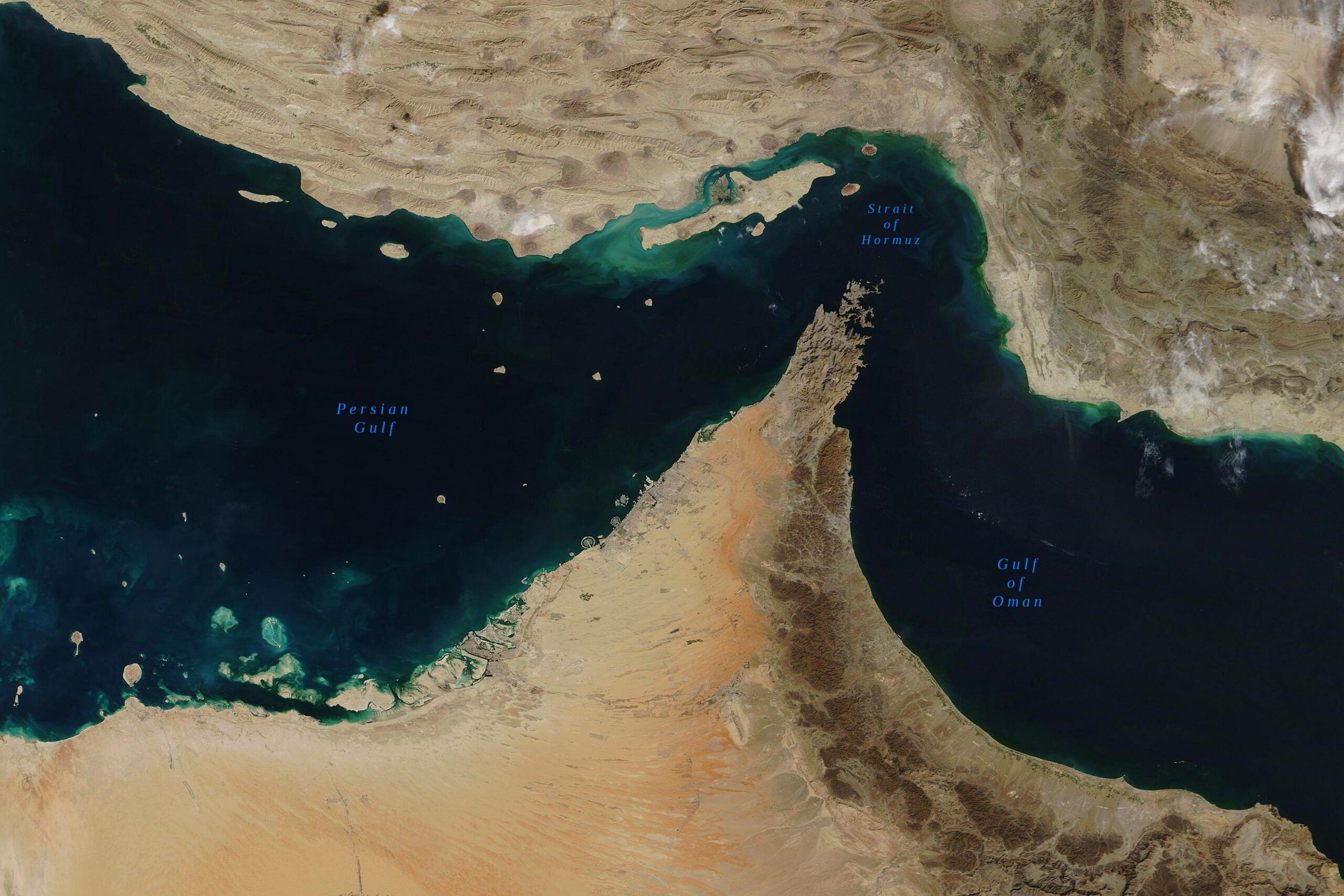
Live prediction market odds for "How many ships transit the Strait of Hormuz week of October 19?". 25-29 leads at 38%. Next is 20-24 at 34.3%. $19K has traded across 6 outcomes on Polymarket. The market is expected to resolve by Oct 26, 2026.
This market will resolve according to the total number of transit calls that IMF Portwatch reports for the Strait of Hormuz for all days from October 19, 2026, through October 25, 2026, inclusive. Transit calls include container, dry bulk, roll-on/roll-off, general cargo, and tanker ships. Ships not reported by IMF Portwatch will not be considered. This market will resolve as soon as all relevant data has been published. If the relevant data is not published within 14 calendar days of the specified date, this market will resolve based on the most recent data published up to that point. In case of obvious data integrity issues (i.e., erroneous data), the market may remain open until the end of the third calendar day (ET) after the date on which such data is first released to allow for corrections. Data integrity issues refer only to clerical or other similar errors in the underlying data, and do not include cases where IMF Portwatch differs from alternative sources. Only revisions to previously published data points made before all relevant data has been published will be considered. The resolution source for this market will be IMF Portwatch, specifically the transit calls data published for the Strait of Hormuz at https://portwatch.imf.org/pages/cb5856222a5b4105adc6ee7e880a1730, both in the chart and through downloadable files.
It is the price of a Yes contract that pays $1 if the outcome happens. A 14¢ price means traders put the chance near 14%. Where two venues list the same outcome, we blend their last prices, weighting the venue with more trading volume more heavily (neither counts for less than a quarter). When only one outcome can win, each venue’s prices add up to a little over 100% (its margin); the fair chance removes that margin so the outcomes add up to exactly 100%.
A Yes contract pays $1 if it wins, so at the best ask a $100 stake buys 100 ÷ ask contracts. At 18¢ that is about 555 contracts, paying $556 (5.56x) if Yes happens. Venue fees and price slippage on larger orders are not included.
Each venue has its own traders, fees and order book. Contracts can also settle on slightly different terms, which is why each row lists how closely the rules match.
Only when you can buy Yes on one venue below what someone pays for Yes on the other, after fees, and both contracts settle the same way. We show the executable bid and ask so you can check.
Venue prices refresh every few minutes, and the order book and live quotes stream continuously. Each venue’s card shows when we last observed it.