Combined depth · both venues
Loading both order books…
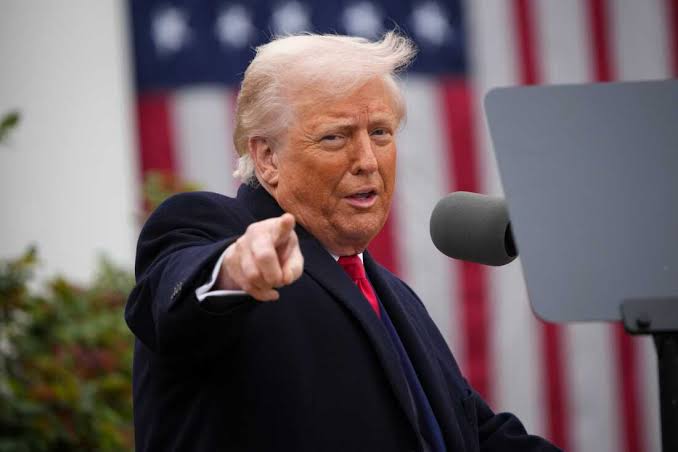
J.D. Vance 39.9%
Next is Marco Rubio at 23.4%. The venues differ most on J.D. Vance (Polymarket 50.5%, Kalshi 49%), a 1.5-point gap.
Fair chance strips out each venue’s built-in margin (its prices add up to more than 100%), then blends the venues by how much has traded there, so the outcomes add up to 100%. Best Yes price is the cheapest ask across venues, and the payout is what a winning $100 stake returns before fees. Open a row for each venue’s contract name, bid and ask, and how closely their rules match.
Prices come from our regular polls of each venue, the oldest 1 min ago. Ages are as of when this page was built.

Labels suggest the same named outcome; no persisted outcome identity or settlement parity is verified.
No arbitrage: the best bid elsewhere is 49¢, at or below the cheapest ask of 49¢.

Labels suggest the same named outcome; no persisted outcome identity or settlement parity is verified.
No arbitrage: the best bid elsewhere is 29¢, at or below the cheapest ask of 31¢.



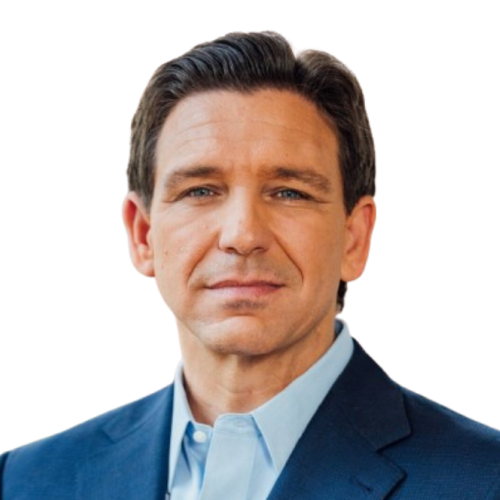
Labels suggest the same named outcome; no persisted outcome identity or settlement parity is verified.
Buying on Polymarket at 0.9¢ and selling on Kalshi at 1¢ nets 10 bps before fees.


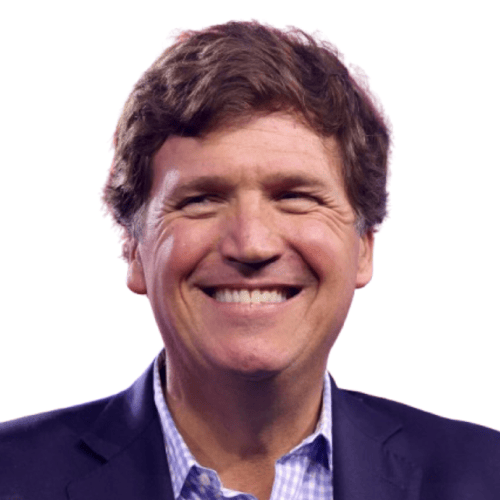


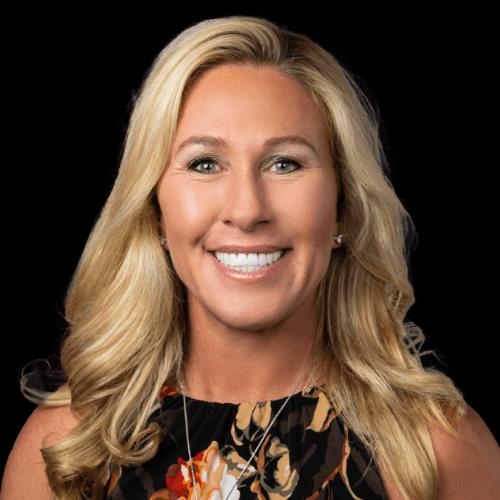

Possible arbitrage before fees: buy Ron DeSantis on Polymarket at 0.9¢, sell on Kalshi at 1¢ (10 bps). Check the rules below before trading. See all live spreads


Summarized from each venue’s published rules; the venue’s own rules page is the final word.
The top 3 outcomes on both venues, with the consensus between them. Hover for exact values.
What it costs to buy Yes, what you would get selling it, and the last trade on each exchange, updating as orders change. Hover a status for timing details.
Each venue’s resting orders for the selected outcome’s Yes contract, side by side. Top of book streams live; depth refreshes every 15 seconds.
Loading both order books…
Waiting for the first live quote…
Waiting for the first live quote…
Enter a stake to see where it buys the most after fees, using each venue’s live order book.
Loading both order books…
Buys at the asks resting now (taker orders), cheapest after fees first, from order-book snapshots up to 15 seconds old. Fees: Kalshi 0.07 × price × (1 − price) per share, rounded up to the cent; Polymarket 0.04 × price × (1 − price) per share (politics rate). Fee calculator. Estimates only, not advice.
Live prediction market odds for "Who will Trump endorse first in the 2028 US presidential election?". J.D. Vance leads at 39.9%. Next is Marco Rubio at 23.4%. $71K has traded across 24 outcomes on Kalshi and Polymarket. The market is expected to resolve by Nov 6, 2028.
This market will resolve according to the first individual that Donald Trump endorses for President of the United States in the 2028 United States Presidential Election. An endorsement is defined as a statement by Donald Trump that i) is made publicly (e.g., through a press release, an on-the-record interview, a speech, a campaign event, a post from a verified account on social media); ii) explicitly and unambiguously expresses unique support for an individual as a candidate for President of the United States in the 2028 United States Presidential election; and iii) is characterized by a consensus of credible reporting as an official endorsement by Donald Trump of the individual for President in the 2028 United States presidential election. An endorsement of an individual for the Republican Party’s nomination to the 2028 United States Presidential election will qualify. Endorsements of a candidate for the Democratic Party's nomination without also endorsing that candidate for President in the general election will not qualify. The following will not be considered endorsements: positive or favorable comments about a candidate without a clear public statement of direct support; conditional statements giving support only if certain conditions are met; statements equally expressing support for multiple candidates (e.g., “I support Marco and J.D.”); statements expressing opposition to a candidate without endorsing any candidate; private or non-public statements; and statements that are clearly sarcastic, made in jest, or immediately clarified as not reflecting genuine support. An endorsement of a ticket comprising a presidential candidate and a vice-presidential candidate constitutes a qualifying endorsement only of the individual endorsed for President. If the endorsement is of a ticket with undefined presidential and vice-presidential roles, or the roles on an endorsed ticket cannot be determined by the statement itself or a consensus of credible reporting, no qualifying endorsement will be deemed to have occurred. If Donald Trump issues multiple concurrent statements meeting this standard, directed at different individuals, this will not constitute a qualifying endorsement and this market will remain open and resolve based on the first standalone qualifying endorsement issued. Endorsements will be considered to be issued concurrently only if they are issued in the same written statement (e.g., a public social media post), or in a singular public speaking event (e.g., a press conference, a speech). Endorsements via social media count only from verified accounts controlled by Donald Trump. Likes, reposts, or shares alone do not constitute a qualifying endorsement. If Donald Trump officially files his candidacy for the 2028 United States Presidential election before issuing a qualifying endorsement, this market will resolve to “Donald Trump.” Statements alone will not be sufficient to resolve this market to “Donald Trump.” Once a qualifying endorsement has occurred, subsequent retractions, rescissions, or endorsements of other individuals will not affect the determination of the first individual endorsed. If Donald Trump does not issue any qualifying endorsements, or file his own candidacy, by November 6, 2028, 11:59 PM ET, this market will resolve to “Other”. The resolution sources for this market will be official statements from Donald Trump and a consensus of credible reporting.
It is the price of a Yes contract that pays $1 if the outcome happens. A 14¢ price means traders put the chance near 14%. Where two venues list the same outcome, we blend their last prices, weighting the venue with more trading volume more heavily (neither counts for less than a quarter). When only one outcome can win, each venue’s prices add up to a little over 100% (its margin); the fair chance removes that margin so the outcomes add up to exactly 100%.
A Yes contract pays $1 if it wins, so at the best ask a $100 stake buys 100 ÷ ask contracts. At 18¢ that is about 555 contracts, paying $556 (5.56x) if Yes happens. Venue fees and price slippage on larger orders are not included.
Each venue has its own traders, fees and order book. Contracts can also settle on slightly different terms, which is why each row lists how closely the rules match.
Only when you can buy Yes on one venue below what someone pays for Yes on the other, after fees, and both contracts settle the same way. We show the executable bid and ask so you can check.
Venue prices refresh every few minutes, and the order book and live quotes stream continuously. Each venue’s card shows when we last observed it.